AI Readiness, Scored: How We Audit a Site for the Age of Generative Search
Inside our eight-category AI Readiness Audit: the evidence we collect, how the score is calculated, and how findings become a prioritized roadmap.
I’ve read a lot of “AI audits” from other shops over the past year, usually because a prospect forwards one and asks what I think. Too many of them are the same thing: a few dozen generic checkboxes, a traffic-light graphic, and a score that nobody can trace back to anything on the actual site. They look rigorous. They aren’t.
So I want to pull back the curtain on how we run ours. Not the sales version, the working version: what we examine, why each piece matters, how a number gets attached to it, and what that number can and can’t tell you. If you’re going to spend money on a diagnostic, you deserve to know whether the score at the top of the report is evidence or decoration.
Why most AI audits are checklists in disguise
A checklist asks whether something exists. An audit asks whether it works, for this site, against these competitors, on these engines. The difference matters because AI visibility fails in specific ways. One company’s content is invisible because a firewall blocks AI crawlers. Another’s is reachable but buried in JavaScript most crawlers never run. A third is technically flawless and still gets confused with a similarly named competitor. A generic checklist would give all three roughly the same score.
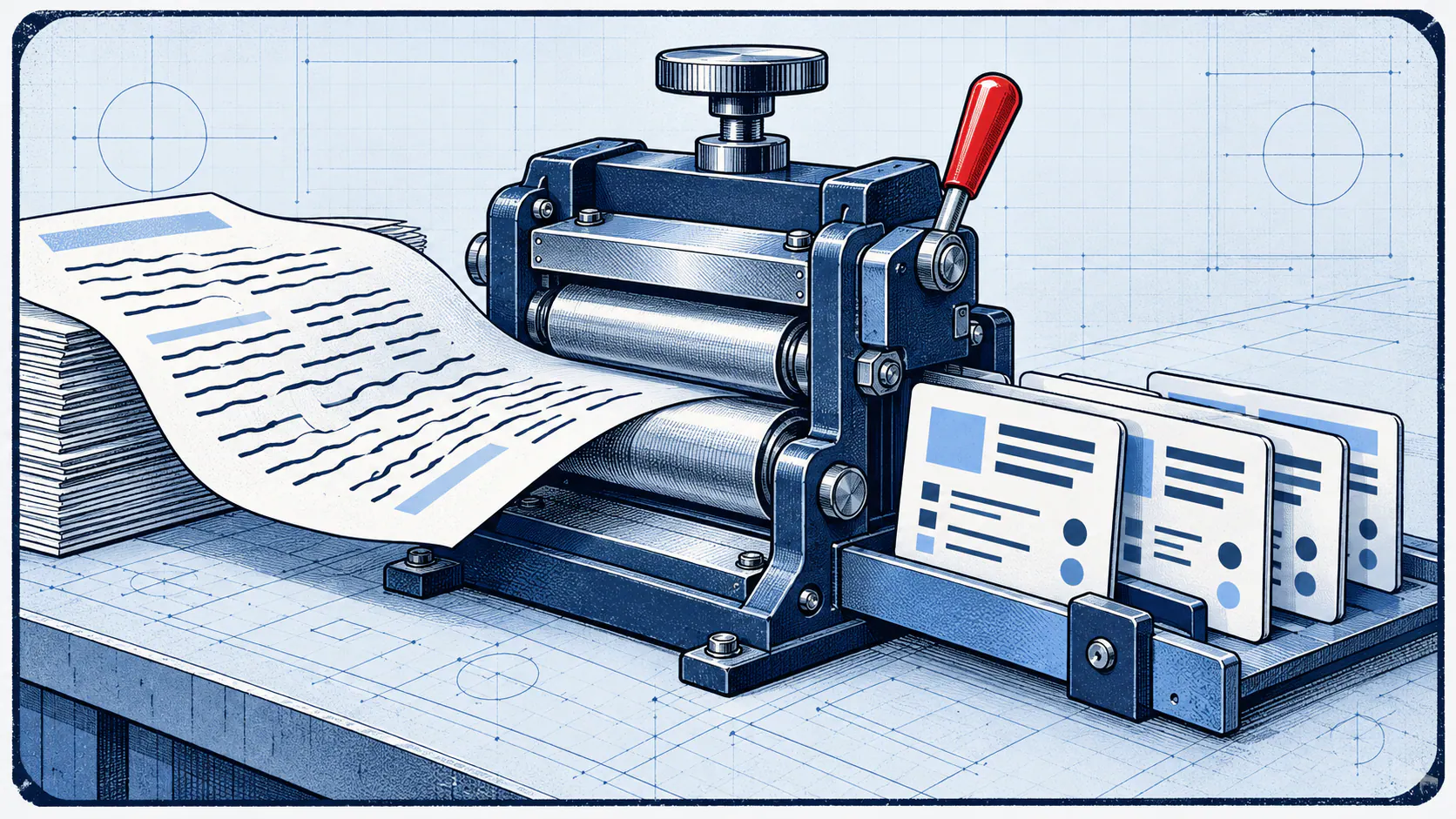
That’s why we built the audit around two kinds of work kept strictly apart. Collecting evidence is done by code: fetching robots.txt, probing how the site responds to each AI crawler, comparing the page with and without JavaScript, extracting structured data, checking index coverage. Scripts don’t hallucinate a robots.txt line, and they use a repeatable collection method; the evidence can change as the live site and AI platforms change. Judgment, scoring how extractable a page is or how a quality rater would see it, comes second, and it works only from that collected evidence.
The eight categories we score
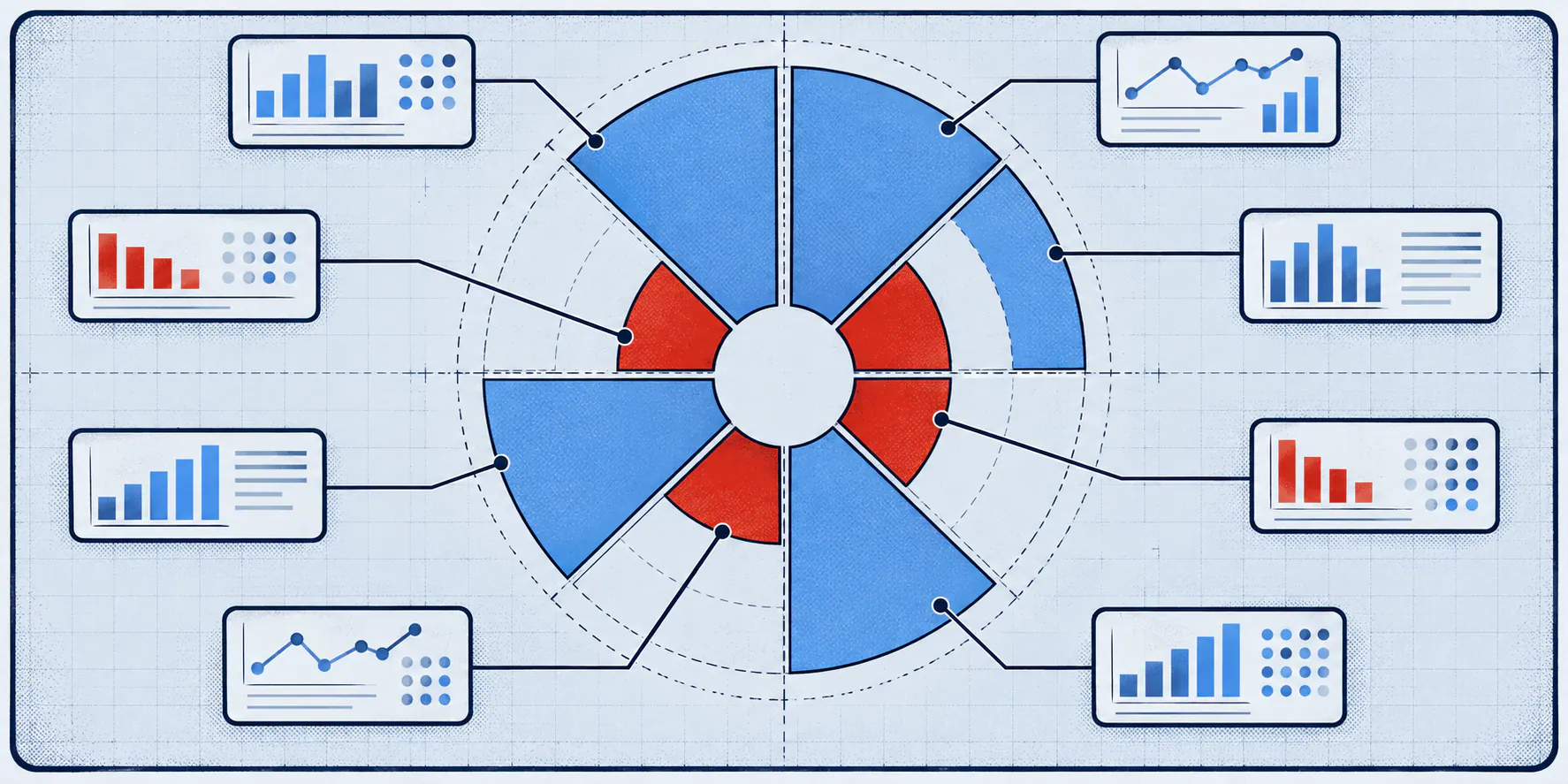
Every audit covers the same eight dimensions, because each one is a separate way a brand can fail to show up in AI answers.
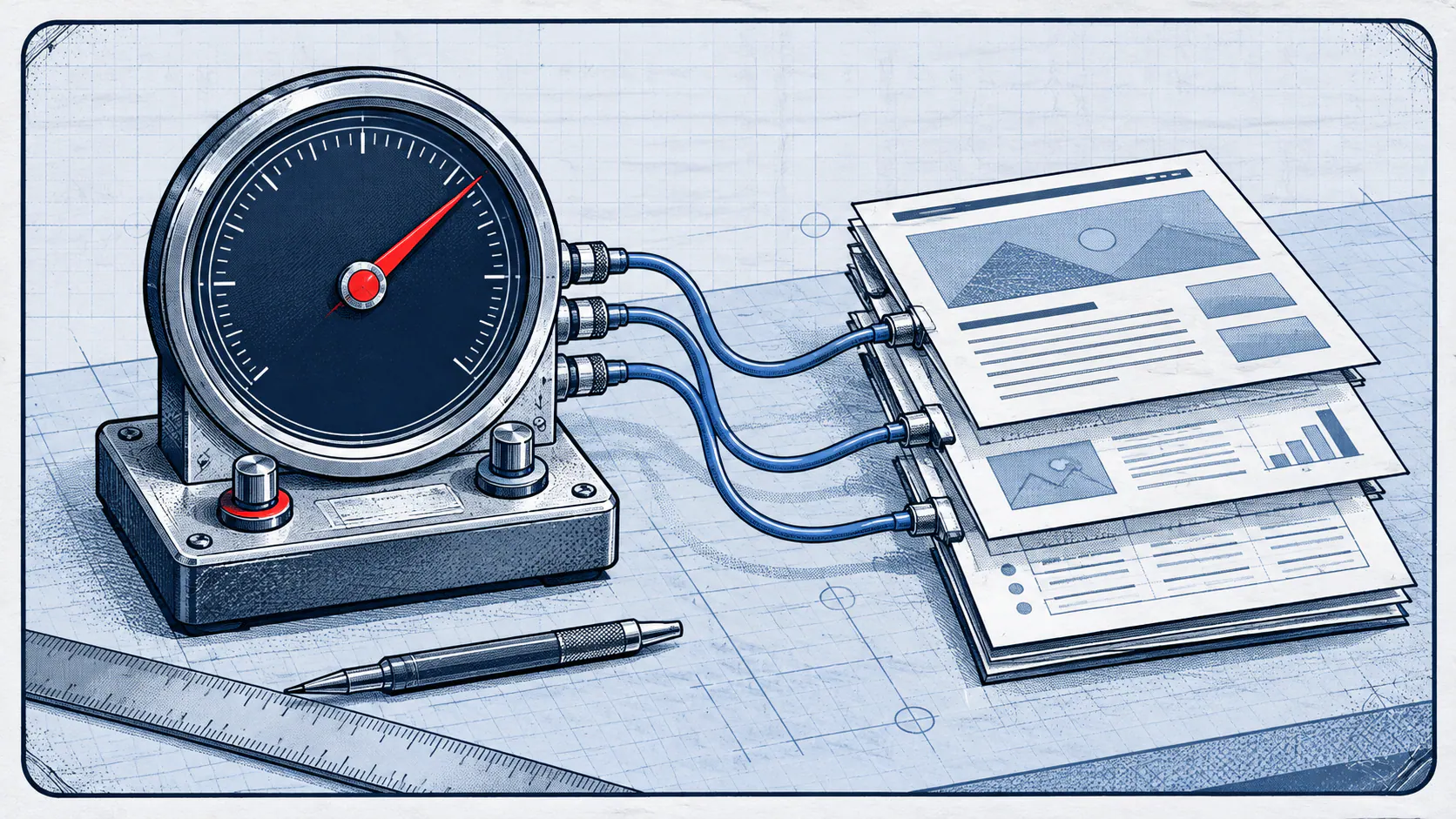
AI Crawler Access asks whether GPTBot, ClaudeBot, PerplexityBot, Common Crawl, and others can reach your site at all, including CDN and firewall settings that block them silently. Rendering Architecture checks whether your content survives without JavaScript, since most AI crawlers never run it, and whether embeds and PDFs hide what matters. Page Performance covers speed, stability, and page weight, including the agent-readiness checks Google’s own Lighthouse tooling now scores.
Schema & Structured Data looks at whether machines can parse your meaning and your entities, from organization and service markup to the connected schema graph that ties it together. Content Structure examines answer-first formatting, question-led headings, extractability, and freshness: whether your pages are built to be quoted. Entity Clarity asks whether AI can unambiguously identify and trust your brand, through your names, Wikidata, Knowledge Panel, and consistency across the web.
The last two are where it gets real. AI Visibility Monitoring tests whether, and how, AI engines currently mention you, across up to six platforms with a fixed query set. Competitive Intelligence shows who’s being cited instead of you, on which queries, and the gap to close against your actual competitors.
“A score you can’t trace back to evidence is decoration. Every number in our report points to the specific finding that produced it.”
Our AI Visibility Report shows exactly which pages are indexed and your site’s exact authority metrics.
How the engines get tested
The visibility categories are the part prospects ask about most, so here’s how they work. We build a query set from the questions your customers actually ask, supplied at kickoff in their own words, plus your services and locations. We run that set against the AI platforms in scope: four at the Core tier and six at Plus and Pro. Where an engine offers an interface we can query programmatically, we do; where it doesn’t, like Google’s AI Overviews, a strategist runs spot-checks and captures screenshots as evidence.
Every answer gets classified as cited, absent, or inaccurate. That last bucket is the one executives tend to underestimate. An AI assistant confidently stating the wrong service area, an outdated price, or a competitor’s credentials is worse than silence, because a buyer believes it. We grade answers against facts you’ve confirmed at kickoff, which is the one input in the whole process that can’t be automated. We’re also upfront in every report that programmatic answers approximate, but don’t perfectly mirror, what a consumer sees in the live app.
What the AI Readiness Score is, and what it isn’t
Each category is scored from its item results and weighted into a single AI Readiness Score. The math is fixed and calculated the same way for every client; no model decides your number. That’s deliberate. A composite that shifts depending on who ran it, or how a model felt that day, is useless for tracking progress.
Here’s what the score is not: a prediction of rankings, citations, or revenue. No honest audit can promise those. What the score gives you is a defensible baseline, a clear picture of which of the eight dimensions are holding you back, and a number you can re-measure after the fixes are in. Its real value lives in the findings underneath it, each with the evidence, the fix steps, how to verify the fix, and who on your team should own it.
The human gate
Automation makes the audit faster and more consistent. It doesn’t sign the report. Every draft goes to a named auditor of record, who reviews it against a targeted list of anything the system flagged as low-confidence, checks that severities are honest and fix steps are accurate, and only then releases it. A machine can assemble the evidence. A person is accountable for what it says.
What you walk away with, and where to start
Every audit ends in a prioritized roadmap organized by our S.T.A.R.SM framework, so the fixes land in the order that makes each one count: access and rendering before content, content before authority, and measurement throughout. Depending on the tier, that’s delivered as a written report, a findings call, or a live presentation, and pricing is published and fixed, starting at $1,500 for Core.
If you want a feel for one slice of this before committing, our free AI Training Data Visibility Check shows your Common Crawl presence in about a minute; we explain what it can and can’t tell you in Is Your Brand in the AI Training Data? When you’re ready for the full picture, the AI Readiness Audit is where the scored diagnosis starts. The work it points to usually runs through Technical SEO and Generative Engine Optimization, and the conversation about which fixes come first starts on a discovery call.
Frequently asked questions
What does the AI Readiness Audit actually measure?
Eight categories: AI Crawler Access, Rendering Architecture, Page Performance, Schema & Structured Data, Content Structure, Entity Clarity, AI Visibility Monitoring, and Competitive Intelligence. Together they cover whether AI engines can reach, read, understand, trust, and recommend your brand.
How is the AI Readiness Score calculated?
Each category is scored from evidence-backed item results and weighted into a composite using fixed math. No model estimates the number, so the same evidence always produces the same score, which makes it useful for tracking progress over time.
Which AI platforms do you test?
Four platforms at the Core tier and six at Plus and Pro, using a fixed query set built from your customers' real questions. Each answer is classified as cited, absent, or inaccurate and graded against facts you confirm at kickoff.
Does a higher score guarantee more AI citations?
No, and we won't claim it does. The score is a diagnostic baseline that shows where you're held back and gives you a number to re-measure after fixes. Citations depend on many factors outside any audit's control.
Brian Winum writes about GEO, AEO, technical SEO, entity authority, and AI-search visibility for MAXPlaces Marketing.